Life Sciences & Heavy Industries
Electrotechnical infrastructures for laboratories, production and industry with the highest requirements for safety, availability and precision.

We create secure foundations for research and industry.
Where precision and safety come together
Life sciences and heavy industries are among the most demanding sectors in the construction and industrial context. Production safety, regulatory requirements and high-availability energy supply determine every phase of planning and implementation.
Heinle implements complete electrical engineering solutions for complex industrial and research projects. Reliable, structured and designed in such a way that sensitive processes can be operated stably over the long term.
Electrical engineering for sensitive environments
Life science and industrial projects require systems that are precisely planned, safely implemented and operated reliably. Heinle provides holistic support for these projects from planning to execution to commissioning and beyond.
Our services range from planning and project planning, including BIM, medium and low voltage, UPS, emergency power and transformer systems to cleanroom-compatible electrical installations, building automation, safety technology and mission-critical infrastructures. Start-up is carried out in a structured manner, with predefined commission stages.
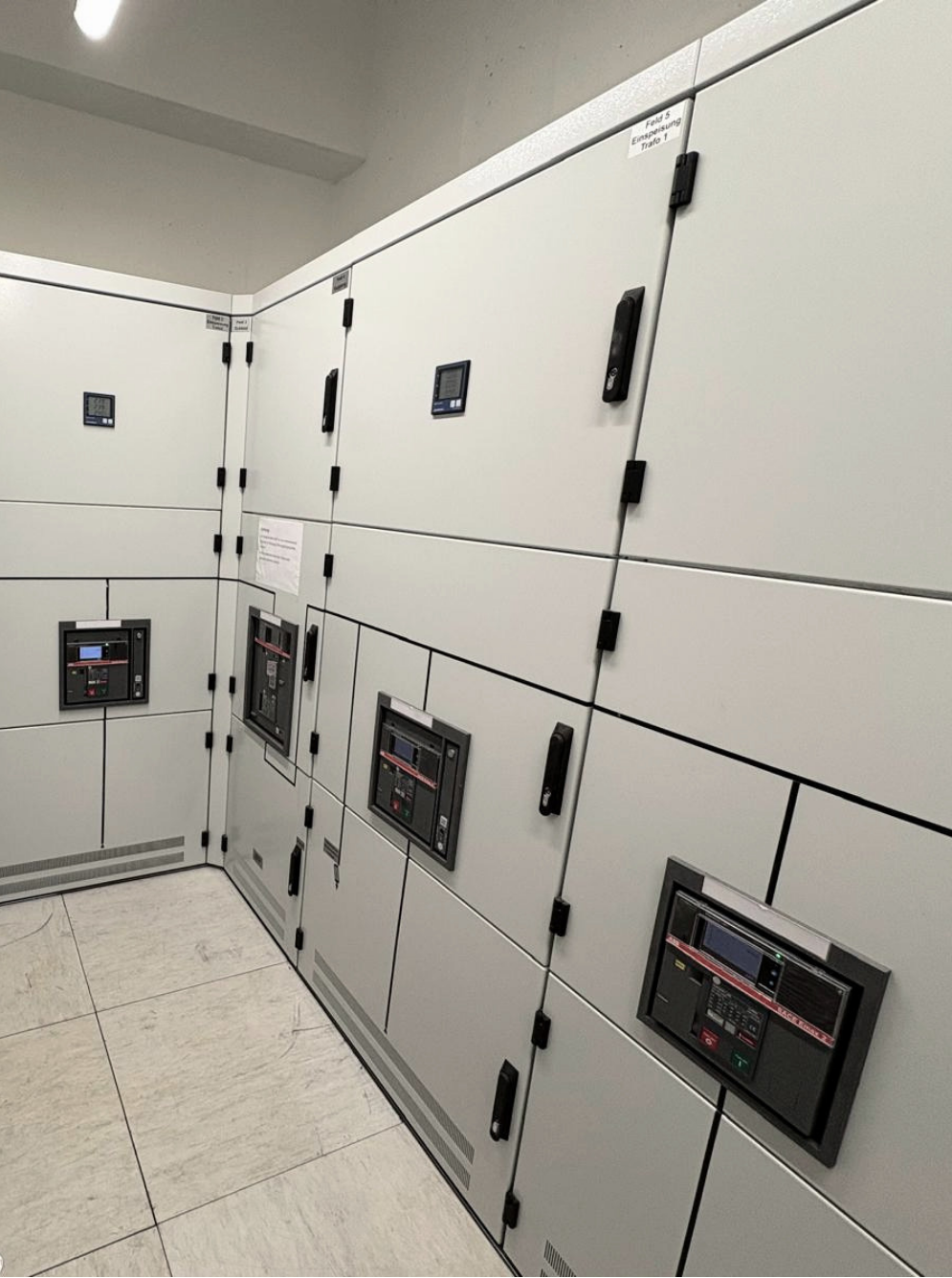
Technical components for critical processes
Power supply with maximum redundancy
We plan and implement high-availability energy infrastructures with medium voltage, emergency power and UPS systems for critical production and research environments. This reliably prevents production failures and system downtimes.
Cleanroom and laboratory infrastructure
Electrical installations for clean rooms and laboratories require maximum precision. We take gas tightness, hygiene requirements and standard-compliant design into account as the basis for safe research and regulated production.
Automation and safety in combination
We integrate building automation, fire alarm, access and monitoring systems into a central system landscape. This creates transparency, increases operational safety and enables efficient processes in everyday life.
Digital project execution with BIM
Continuous use of BIM from planning to commissioning reduces risks, minimizes interfaces and creates clarity in complex projects. A decisive factor for deadline and quality assurance.
Real-world projects

ZEISS production and development site
Electrical installations for building and expanding a high-tech manufacturing environment in the semiconductor sector. The implementation was carried out in accordance with the highest standards of precision, availability and process reliability.

- Category Semiconductor
- Construction period 2024 to 2025
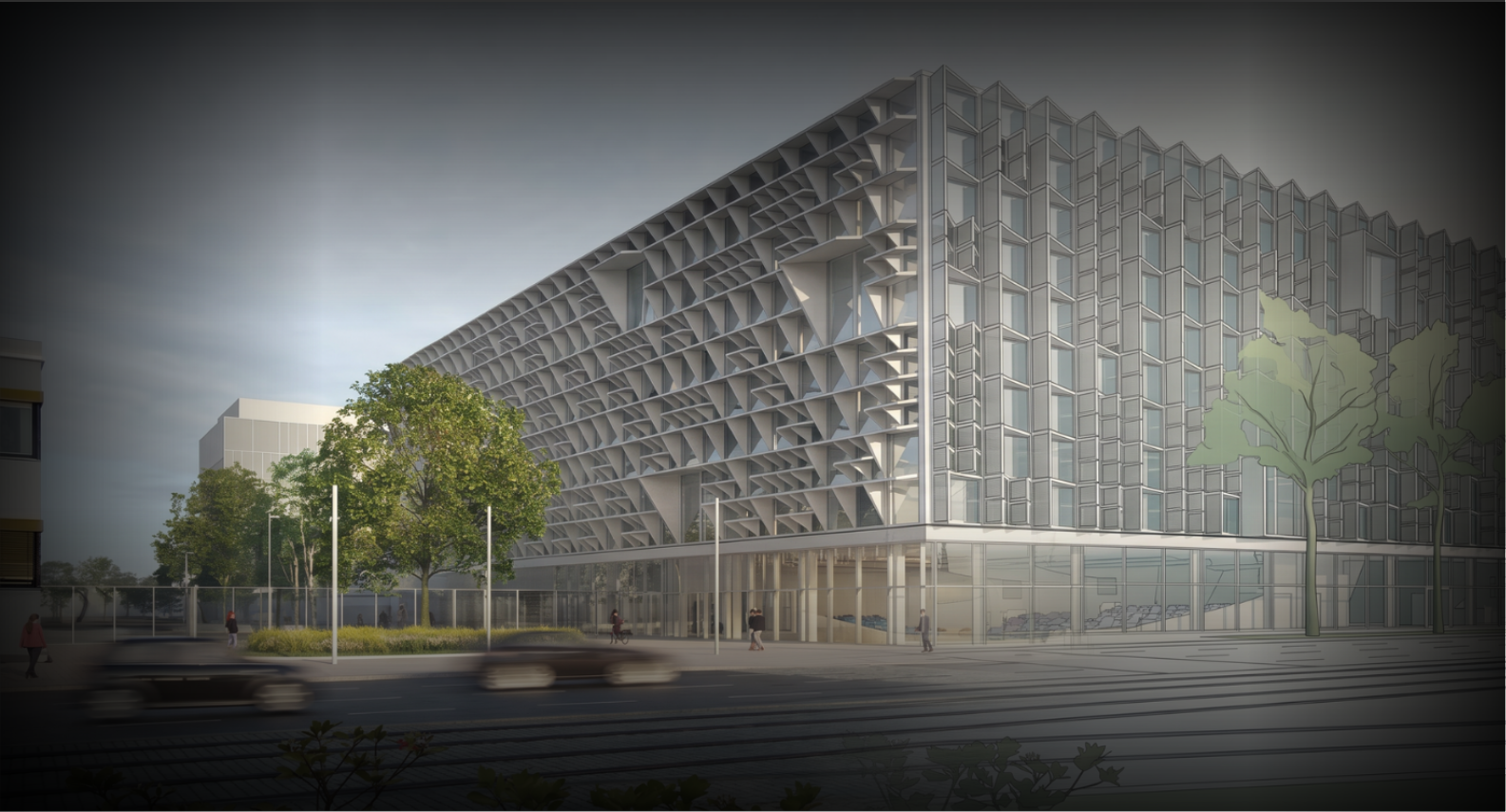
Merck Translational Science Center
Heinle implemented the electrical equipment of a state-of-the-art research center with laboratories, analytical areas, knowledge zones and energy infrastructure for the Merck Translational Science Center. Medium-voltage, photovoltaics, including façade PV, and complex safety and energy systems were integrated.
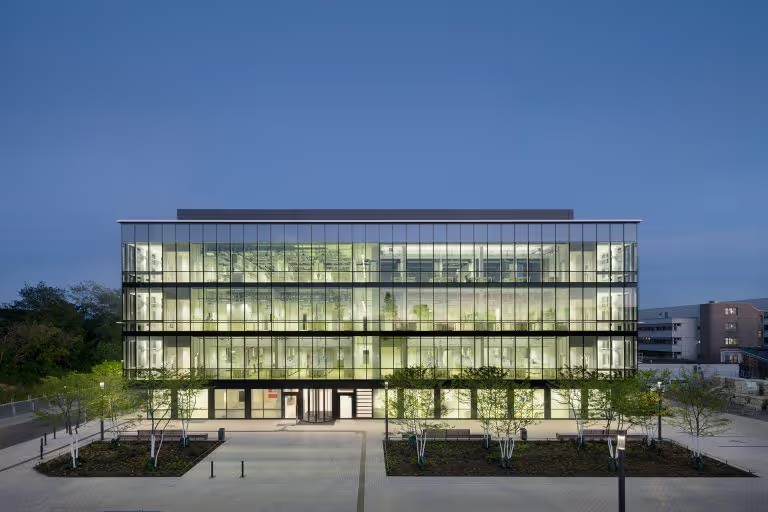
- Area approximately 30,700 m2
- Construction period around three years
- Completion summer 2026
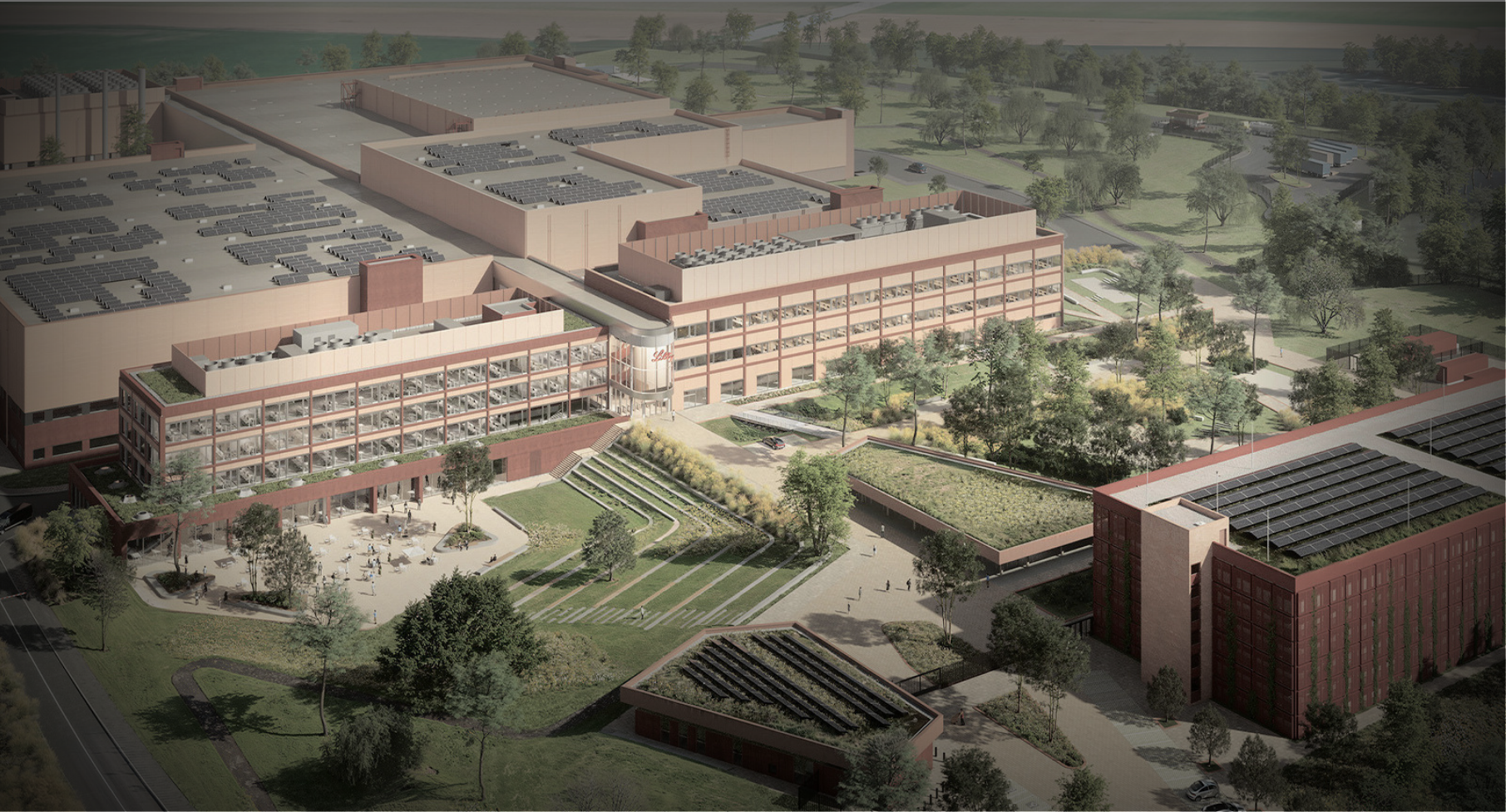
Eli Lilly
Heinle is responsible for the complete electrical systems, high- and low-voltage of the PAR building, the most technically complex structure at Eli Lilly's new production site in Alzey. The facility, representing an investment of 2.3 to 2.5 billion euros, sets the highest standards for supply reliability, redundancy, and GMP compliance.
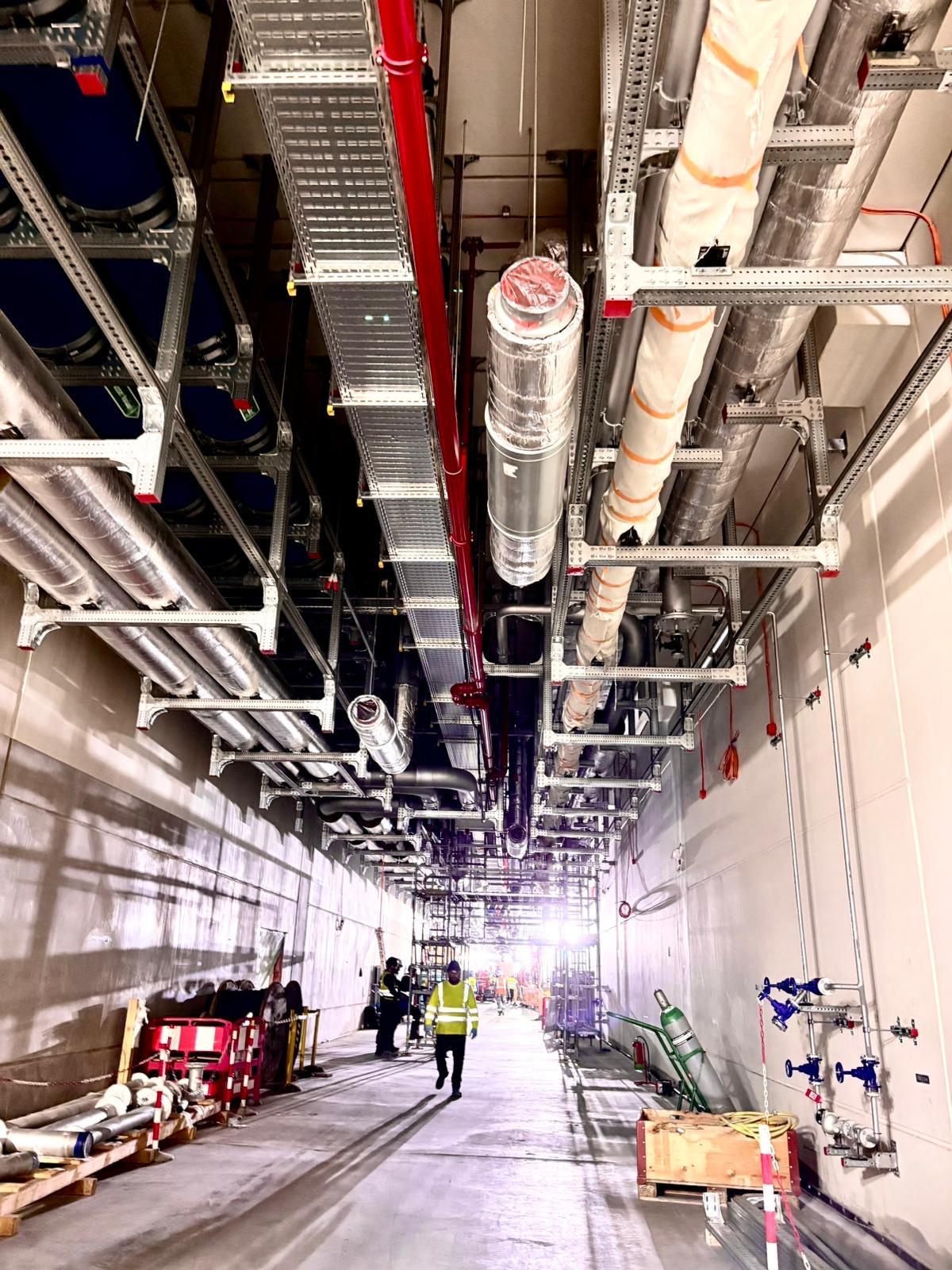
- The most complex building in the overall project
- High- and low-voltage systems from a single source – complete scope of electrical engineering services by Heinle
- Production start in 2027


In a clean room or pharmaceutical plant, it is not only what is installed that counts, but also how it is documented, tested and proven. For us, quality is not a promise, but a process.
Uncompromising quality and standards
Heinle works according to the highest quality and safety standards. Projects in life sciences and heavy industries meet regulatory requirements in GMP-related environments as well as national and international standards.
Digital quality assurance, documented testing processes and structured commissioning after five stages of commission ensure a clean handover and long-term operational reliability.